The Chronic Disease Crisis: A Global Health Burden
Chronic diseases aren’t just a health problem — they’re an economic and social tsunami that’s only getting bigger. The World Health Organization (WHO) reports cardiovascular diseases alone kill 17.9 million people every year, with that number projected to rise to 23.6 million by 2030. Diabetes, hypertension, and respiratory conditions add millions more to the toll.
What makes this crisis worse? Traditional healthcare systems were built for episodic care — office visits, hospital stays, follow-up appointments. But chronic conditions don’t follow a schedule. Hypertension patients can go months between readings. Diabetes patients may forget to log glucose levels. Cardiac patients might not notice irregular rhythms until it’s too late.
That gap between clinic visits is where complications happen. And with aging populations worldwide — the UN estimates 1 in 6 people will be over 65 by 2050 — the pressure on healthcare systems will only intensify.
Enter wearable medical devices.
How Wearable Devices Transform Chronic Disease Care
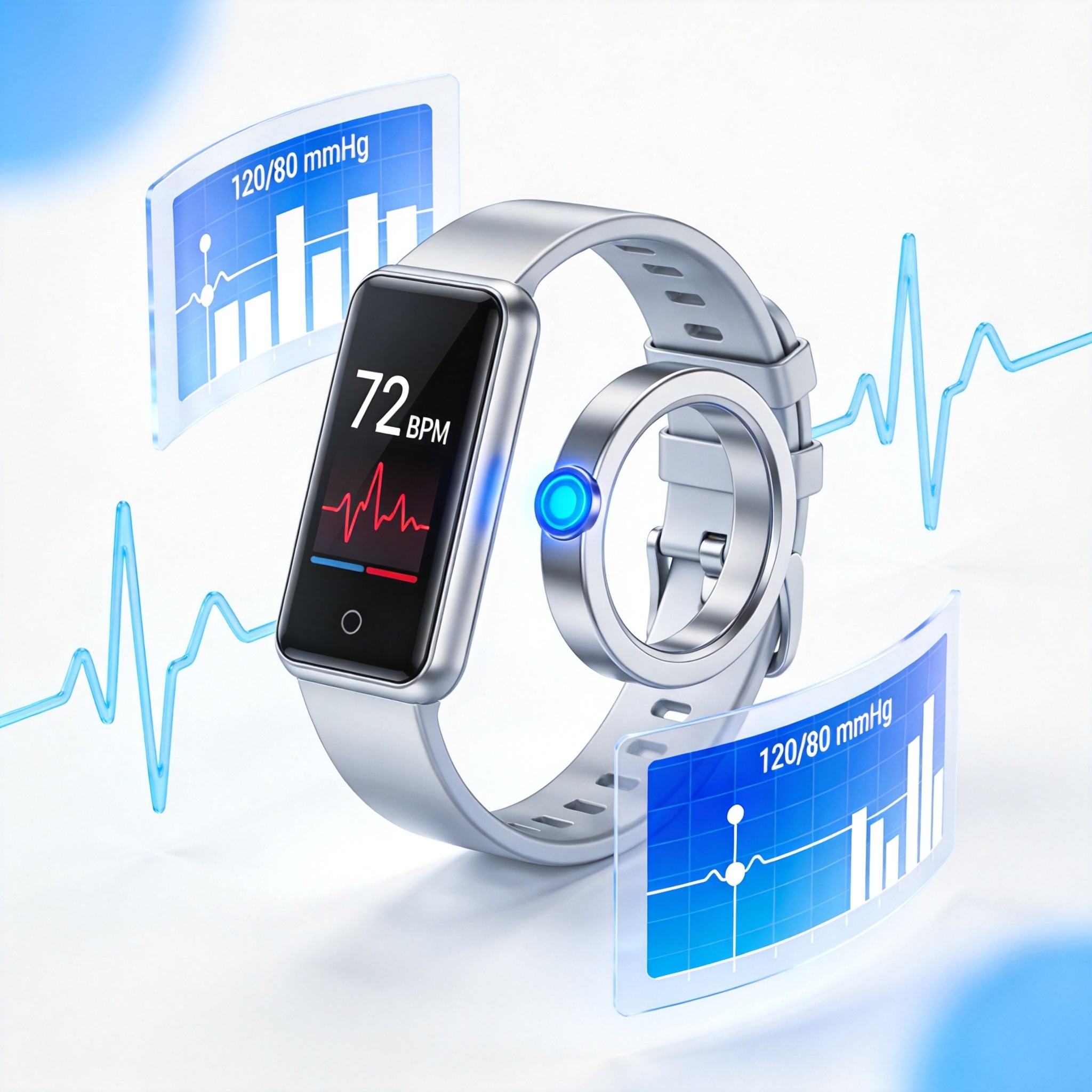
Wearables don’t just track steps anymore. Clinical-grade smart watches, bands, and rings now monitor ECG, blood pressure, SpO2, glucose trends, and more — continuously, non-invasively, and in real-world settings.
This changes everything for chronic disease management.
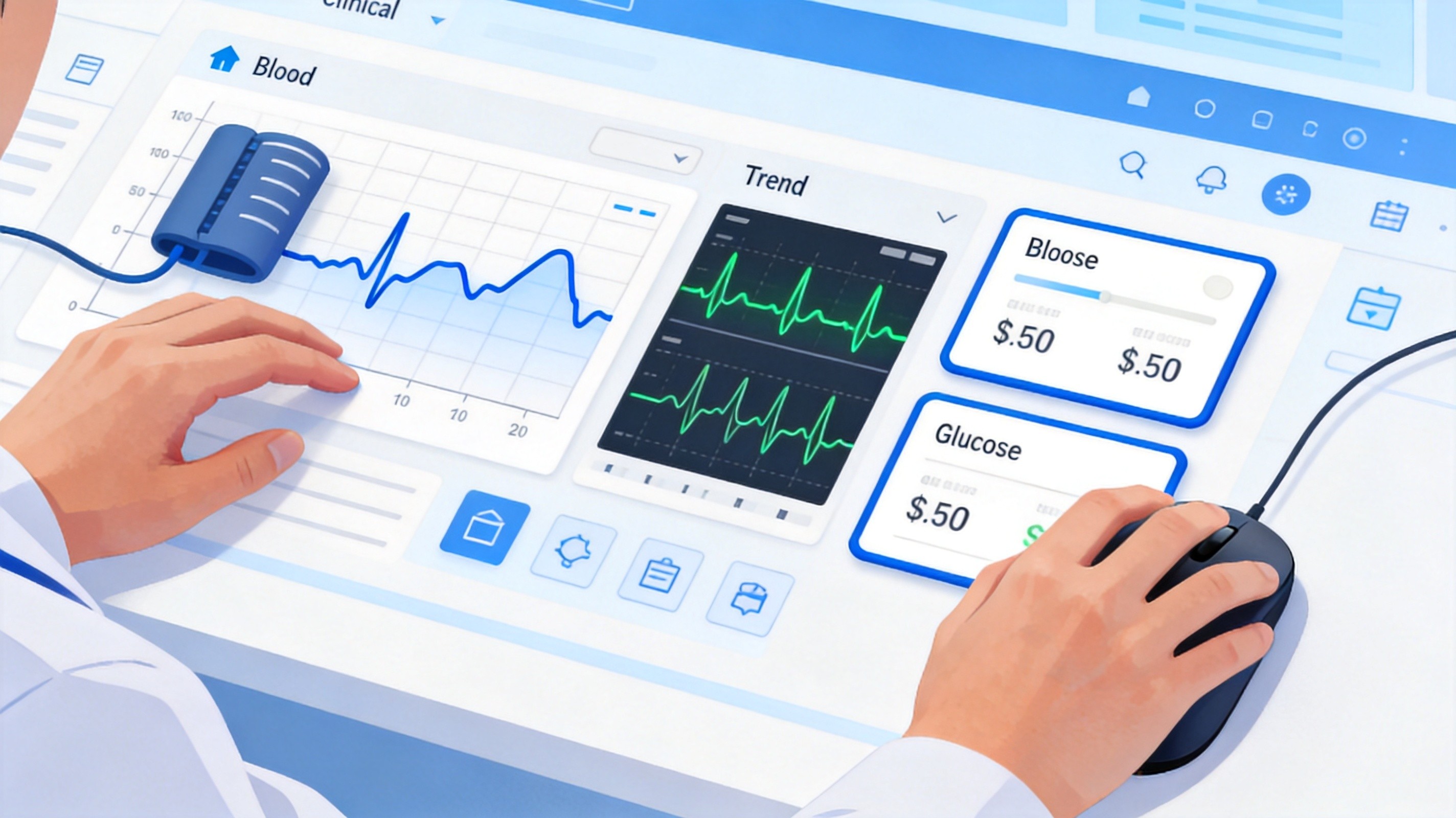
Instead of getting a snapshot of a patient’s health once every few months, clinicians get a movie. They see how blood pressure fluctuates throughout the day, how heart rhythm changes during sleep, how activity levels impact glucose levels.
The data speaks for itself. According to 360 Research Reports, the global wearable medical equipment market will reach $29.34 billion in 2026, growing at a 16.1% CAGR through 2035. In the U.S. alone, 64% of chronic disease management programs now integrate wearable devices, and 88% of physicians say they want patients using connected technologies for at-home monitoring. For deeper analysis on scaling these initiatives, see our comprehensive B2B guide on integrating wearables into healthcare and corporate programs.
The biggest driver? Remote patient monitoring (RPM) programs that use wearables to keep tabs on patients between visits. Hospitals using these programs report a 27% reduction in 30-day readmission rates — a metric that directly impacts both patient outcomes and revenue under value-based care models. For healthcare systems looking to scale these initiatives, our complete OEM/ODM procurement guide for RPM wearables details the end-to-end sourcing and compliance requirements.
Key Use Cases in Chronic Disease Management
Cardiovascular Disease: From Reactive to Proactive Care
Cardiovascular disease remains the world’s number one killer, and much of the damage happens silently. Atrial fibrillation, for example, often presents no obvious symptoms yet dramatically increases stroke risk.
ECG-enabled wearables change this by continuously monitoring heart rhythm and flagging abnormalities as they occur. The TK16 Pro ECG Smart Watch, with its 512Hz clinical-grade ECG sensor, can detect irregular rhythms, tachycardia, bradycardia, and other cardiac anomalies — giving patients and providers early warning before a serious event. Complementing this capability, the GE500 4G ECG smart health watch utilizes medical-grade sensors to support continuous cardiac monitoring, ensuring seamless data transmission for remote care teams.
For post-operative cardiac patients or those with known arrhythmias, continuous wearable monitoring bridges the critical gap between discharge and follow-up. Instead of waiting weeks for a Holter monitor result, clinicians can review data in near-real-time and intervene sooner.
IDC data confirms this trend: ECG-enabled wearable device shipments are growing at 28.5% CAGR, projected to reach 250 million units by 2026 as clinical adoption accelerates.
Hypertension Management: True Ambulatory BP Monitoring
Blood pressure is notoriously variable. A single clinic reading — the “white coat effect” — often doesn’t reflect a patient’s true baseline. Yet treatment decisions are still largely based on these occasional measurements.
Wearable blood pressure watches change this by enabling true ambulatory blood pressure monitoring (ABPM) outside clinical settings. The S10 Pro BP Watch uses air-pump technology — the gold standard for accuracy — to take automated BP readings throughout the day and night, building a comprehensive profile that clinicians can use to fine-tune medication regimens.
For elderly patients or those with resistant hypertension, 4G-connected models like the BP100E add another layer of safety: automatic alerts if readings spike to dangerous levels, plus fall detection and one-touch SOS calling.
The impact is measurable. Patients using wearable BP monitoring show better medication adherence and more frequent dose optimization, leading to better long-term blood pressure control and reduced risk of stroke and heart attack.
Diabetes: Continuous Glucose Trend Tracking
Diabetes management has always been about data — but getting that data has traditionally meant finger pricks and logbooks. Not anymore.
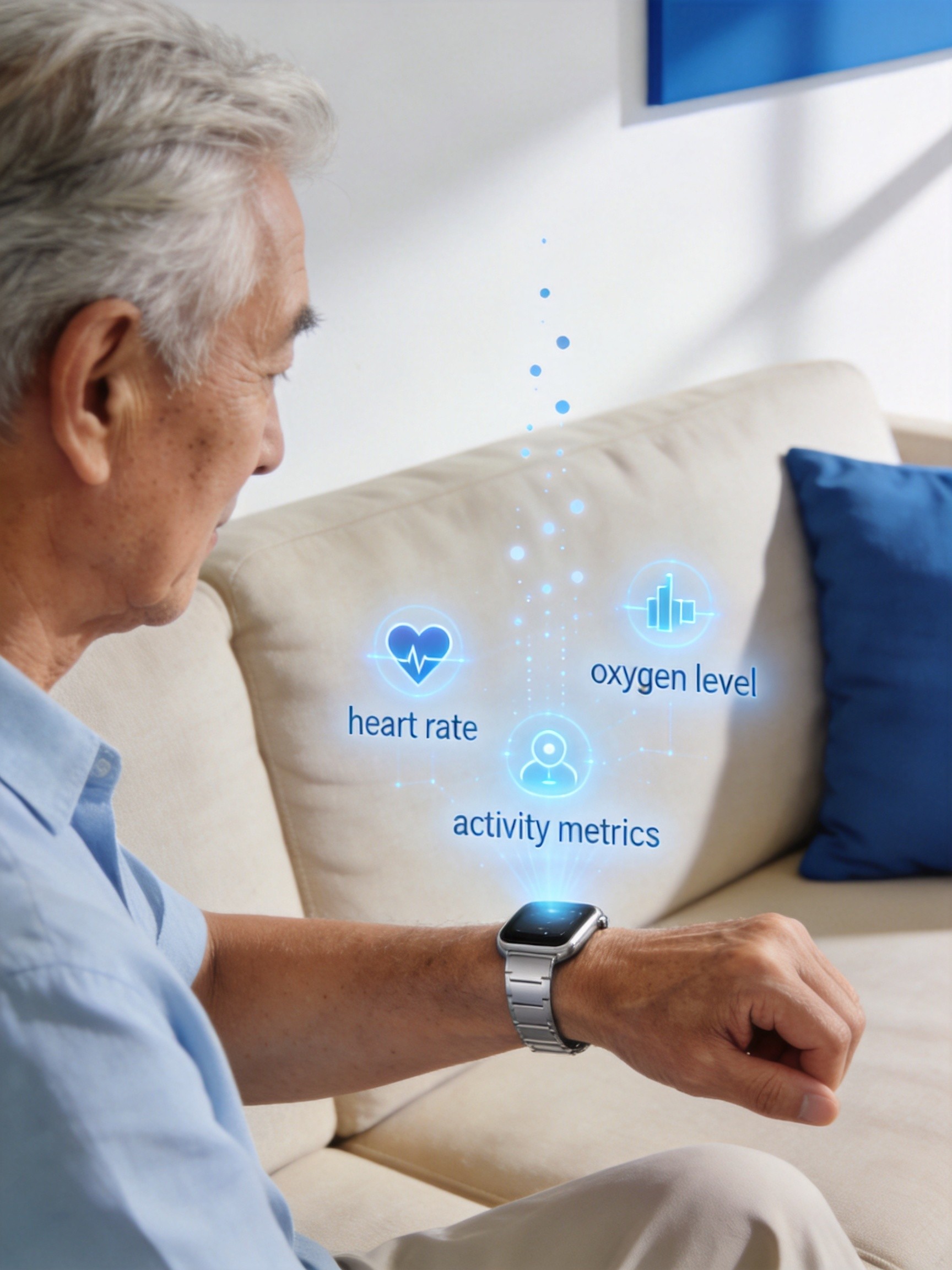
Modern wearables with PPG sensor technology can track blood glucose trends non-invasively, giving patients and providers a continuous picture without the discomfort and inconvenience of traditional testing. While not yet a replacement for laboratory glucose measurement, trend monitoring helps patients understand how diet, exercise, and medication affect their levels in real time.
Devices like the TK26 Pro combine ECG and blood glucose trend analysis with AI-powered diagnosis support, creating a comprehensive metabolic monitoring tool that’s particularly valuable for patients with both diabetes and cardiovascular comorbidities — a common and high-risk combination.
Comparative Guide: Wearables for Chronic Disease Management
| Product Model | Core Function | Target Condition | Connectivity | Battery Life | Key Feature |
|---|---|---|---|---|---|
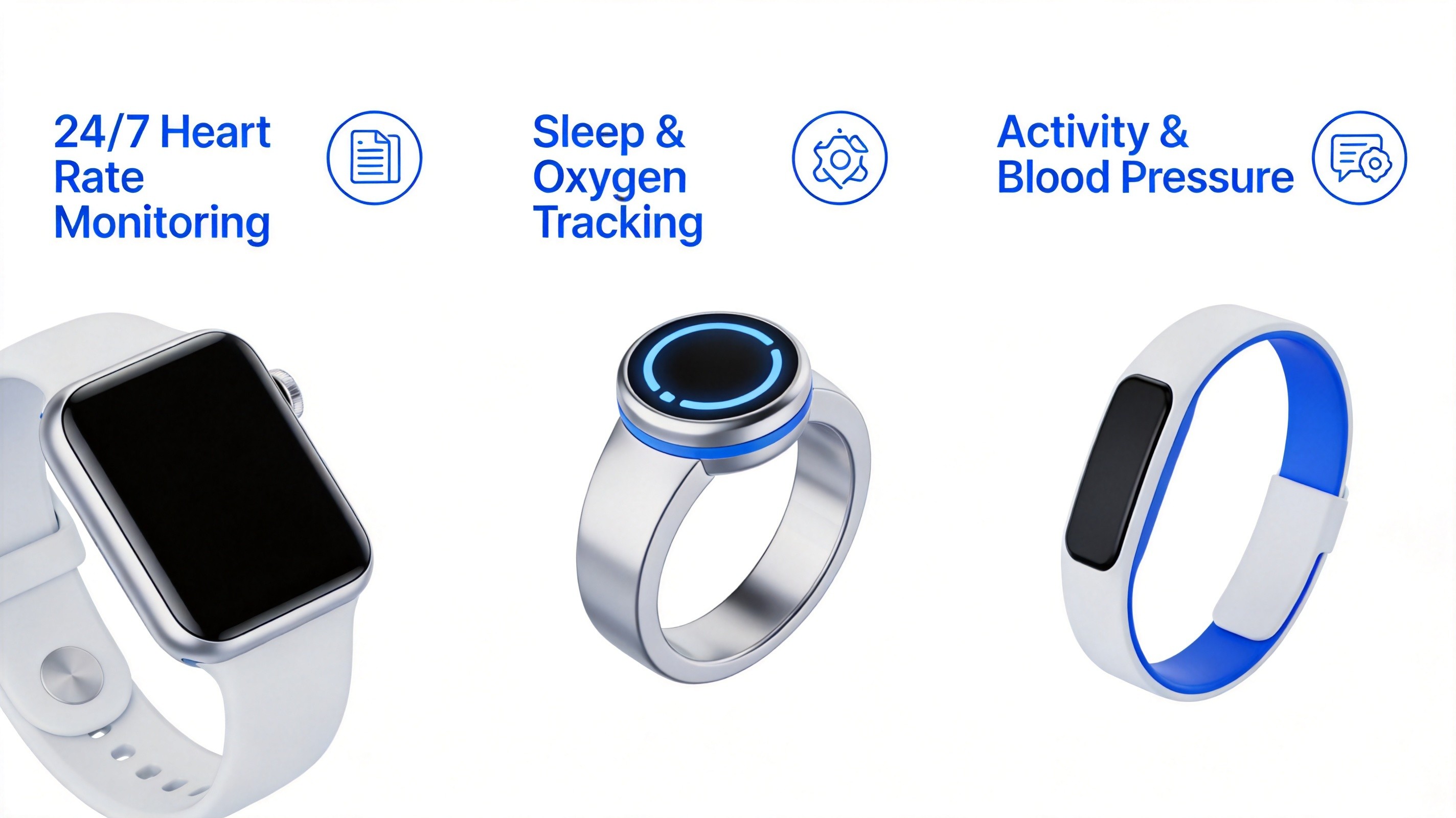
| TK16 Pro ECG Watch | 512Hz clinical-grade ECG | Cardiovascular disease, arrhythmia | Bluetooth | 7 days | Medical-grade ECG accuracy |
| S10 Pro BP Watch | Air-pump ABPM blood pressure | Hypertension | 4G LTE + Bluetooth | 3-5 days | Wrist-based ambulatory BP monitoring |
| BP100E 4G BP Watch | Air-pump BP + SOS + fall detection | Hypertension, senior care | 4G LTE | 3 days | Elderly-focused safety features |
| TK26 Pro Smart Watch | ECG + blood glucose trend + AI diagnosis | Diabetes, cardiovascular disease | Bluetooth | 5-7 days | Multi-parameter metabolic monitoring |
| GE31 ECG Smart Band | ECG+PPG + blood glucose trend | Diabetes, fitness health | Bluetooth | 7-10 days | Low-profile band form factor |
| R6 Smart Health Ring | Sleep tracking + SpO2 + HR | Sleep apnea, general wellness | Bluetooth | 7 days | 24/7 ultra-comfortable monitoring |
The Business Case for Healthcare Providers
Adopting wearable-based chronic disease management isn’t just good clinical practice — it’s good business.
For hospitals and health systems, remote patient monitoring programs using wearables directly address several pain points:
Reduced readmissions. The 27% reduction in 30-day readmissions cited earlier translates directly to avoided penalties under CMS and similar value-based care programs.
Expanded capacity. By monitoring patients remotely, providers can care for more patients without adding clinic space or staff. Follow-ups that used to require an office visit can happen virtually, supported by objective wearable data.
Improved patient satisfaction. Patients prefer the convenience of at-home monitoring. They feel more engaged in their own care and appreciate not having to travel to clinics for routine checks. Satisfaction scores go up — and so does patient retention.
New revenue streams. Many healthcare systems are launching RPM programs as reimbursable services. As more insurance payers cover remote monitoring for chronic conditions, this becomes a growing revenue opportunity.
The numbers tell the story: 41% of cardiac patients in outpatient care already use cardiovascular monitoring wearables, and 38% of insulin-dependent diabetes patients use glucose-tracking wearables. Patients want this. Providers who don’t offer it risk losing them to competitors who do.
Why OEM/ODM Partnerships Matter for Healthcare
Off-the-shelf consumer wearables won’t cut it for clinical use. Healthcare organizations need devices that integrate with their EHR systems, meet regulatory requirements, and support their specific care protocols.
That’s where OEM/ODM partnerships come in. Working with a specialized medical wearable manufacturer like Xdun Medical gives healthcare providers:
Custom branding and white-labeling. Put your organization’s brand on the devices, packaging, and companion apps — building trust and reinforcing your care relationship with patients.
EHR integration support. Ensure device data flows seamlessly into your existing clinical workflows, from Epic and Cerner to custom systems.
Regulatory compliance guidance. Navigate FDA, CE, and other regional regulatory requirements with a partner who understands medical device classification and documentation.
Protocol-specific customization. Tailor device features, alert thresholds, and reporting to match your specific care protocols — whether you’re managing hypertension, heart failure, diabetes, or post-op recovery.
Flexible ordering and deployment. From small pilot programs to large-scale rollouts across multiple facilities, an OEM partner can scale with your needs.
Xdun’s end-to-end OEM/ODM services cover everything from initial product selection to custom firmware, app development, and packaging design — so healthcare providers can focus on what they do best: caring for patients.
What to Look for in a Wearable OEM Partner
Not all wearable manufacturers are created equal. When evaluating partners for a chronic disease monitoring program, consider:
Medical-grade sensor technology. Look for clinical-grade ECG (512Hz sampling or higher), air-pump blood pressure (not optical estimation), and validated SpO2 sensors. Consumer-grade sensors don’t meet clinical accuracy requirements.
Data security and privacy. Health data is among the most sensitive information. Ensure your partner supports end-to-end encryption, HIPAA/GDPR-compliant data handling, and secure cloud infrastructure.
Battery life and comfort. Patients won’t wear devices that need daily charging or are uncomfortable for 24/7 use. Look for multi-day battery life and lightweight designs.
Software ecosystem. The device is only as useful as the platform it connects to. Ensure the companion app, dashboard, and API integrations meet your clinical and administrative needs.
Regulatory track record. Has the manufacturer supported clients through FDA clearance or CE marking processes? Do they have quality management systems in place (ISO 13485)?
Manufacturing capability. Can they scale from pilot to full deployment? What’s their quality control process? Look for partners with proven manufacturing experience in medical devices, not just consumer electronics.
Ready to Build Your Chronic Disease Wearable Program?
The shift toward wearable-based chronic disease management isn’t coming — it’s here. Healthcare providers who adopt these tools now will gain a competitive edge, improve patient outcomes, and position themselves for the future of value-based care.
Xdun Medical specializes in OEM/ODM medical wearables for healthcare providers, hospitals, and health systems. Our product lineup includes clinical-grade ECG watches, air-pump blood pressure monitors, smart health rings, and multi-parameter devices — all customizable to your program’s specific needs.
With over 15 years of medical device manufacturing experience and support for FDA/CE regulatory pathways, we help healthcare organizations launch effective, compliant wearable monitoring programs.
Request a consultation to discuss your chronic disease management wearable needs and explore how OEM/ODM customization can support your clinical and business goals.