How Wearable Technology Is Reshaping Health Insurance: The B2B Playbook for 2026
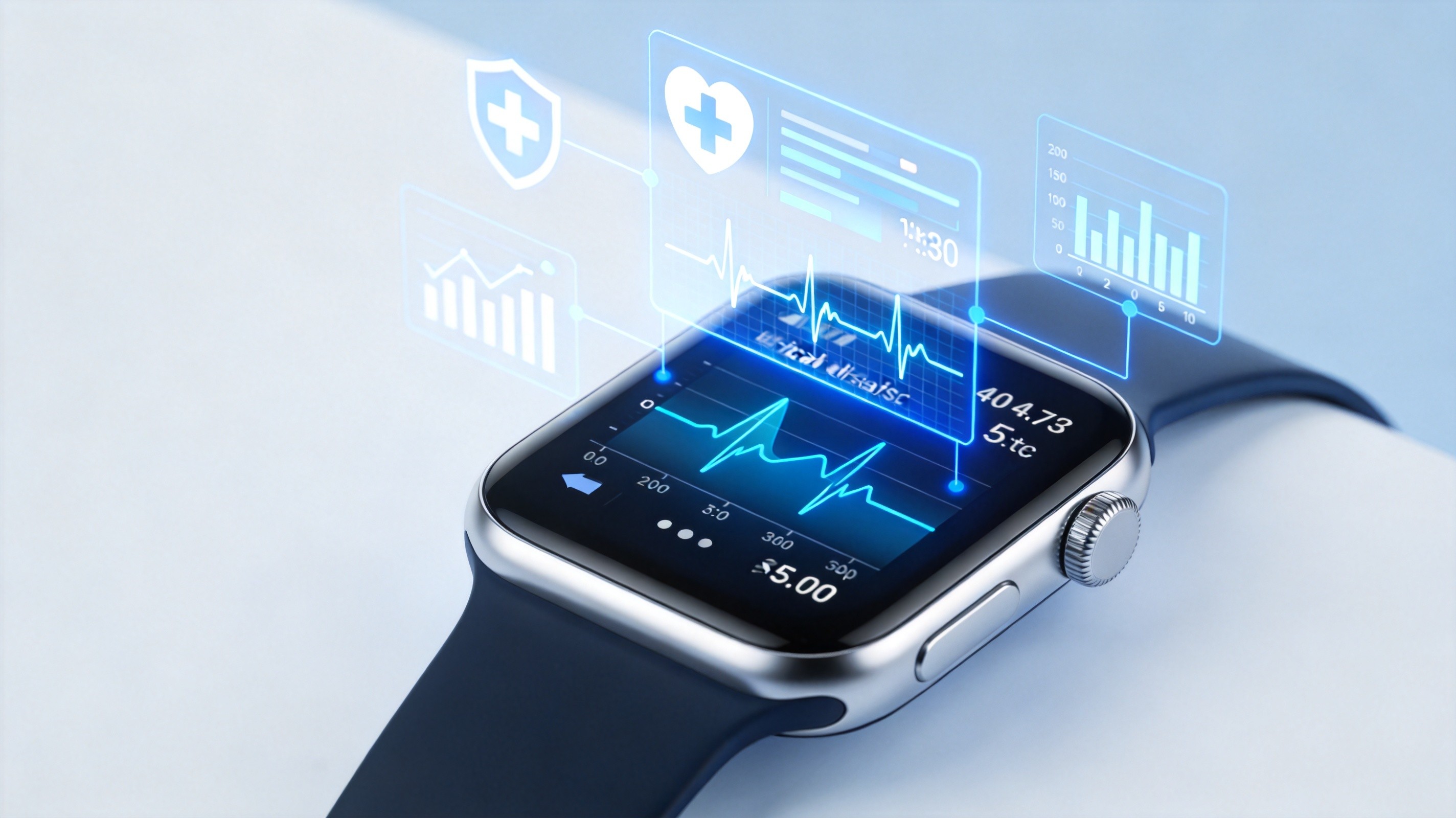
The global wearable device market crossed 5.8 billion units shipped in 2025, climbing 18% year-over-year, according to IDC. That raw number conceals a structural shift: wearables have stopped being fitness accessories and started functioning as continuous health data pipelines. For the insurance industry, this is not a consumer trend to monitor from a distance. It is an underwriting, engagement, and claims reduction infrastructure play that is already producing measurable actuarial outcomes. For deeper analysis, see our HL7 FHIR API integration playbook.
In 2025, commercial health insurance premiums in China approached 1 trillion RMB. Across the Atlantic, UnitedHealth Group reported 10–15% lower medical costs among members enrolled in wearable-linked wellness programs. The economics are shifting from “if wearables matter” to “how fast can we integrate them.” This article maps the data, the business models, and the B2B entry points for insurers, TPAs, and corporate benefits managers in 2026.
The Data Layer: Why Insurers Cannot Afford to Sit This Out
Omdia 2025 report pegs global wearable health device shipments above 2 billion units, with Xiaomi commanding 18% and Huawei 16% of the market. China alone saw 71 million smart wrist devices sold in 2025, driving a wearables ecosystem with 159 million monthly active users — a 12.8% jump from the prior year. This is not a niche. It is a population-scale data infrastructure.
The device mix is diversifying beyond wristbands. Smart rings, medical-grade ECG patches, continuous glucose monitors (CGMs), and in-ear biometric sensors are turning the human body into a 24/7 data source. For instance, advanced wrist-worn devices like the clinical-grade ECG smart watch utilize medical-grade sensors to continuously assess heart rhythm and support early arrhythmia detection. Gartner projects that by end of 2026, over 60% of consumer wearables will carry on-device AI processing capability, meaning health signals can be analyzed locally without raw data ever leaving the device — a critical point for insurance compliance teams.
The McKinsey Global Institute estimates that integrating wearable data streams with healthcare systems could unlock $200–350 billion in annual savings globally, primarily through chronic disease management efficiency and preventive intervention. For insurers sitting on legacy claims data, the gap between “what we know about a policyholder” and “what a wearable could tell us about that same person in real time” is becoming a competitive liability.
The Vitality Blueprint: Behavioral Economics at Scale
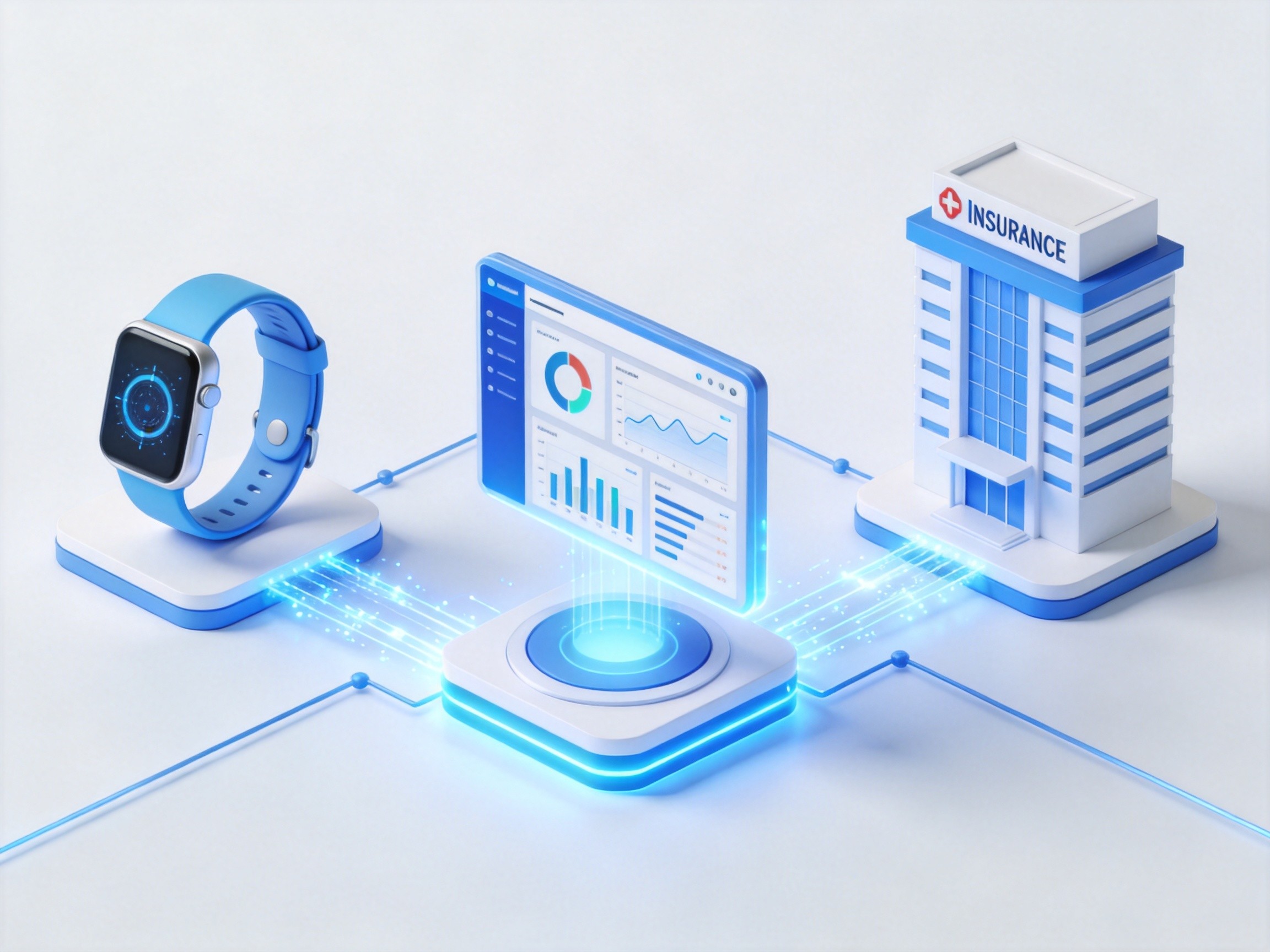
No discussion of wearables in insurance is complete without examining the Vitality model, developed by Discovery Limited and licensed to insurers across 41 markets, reaching 42 million people. The platform is not a wellness app bolted onto a policy. It is a full-stack behavioral engagement engine backed by 30 years of actuarial data and 60 million life-years of health records across 2,800+ behavioral dimensions.
How the Model Works
Members earn Vitality Points for tracked health behaviors — steps, gym check-ins, preventive screenings, sleep quality, and nutrition tracking. Points accumulate into status tiers (Bronze → Silver → Gold → Platinum), each unlocking progressively larger premium discounts, partner rewards, and cashback incentives. The wearable device is the data ingestion layer, but the core IP sits in the incentive architecture and the actuarial models that map engagement scores to claims risk.
John Hancock, the US life insurance arm of Manulife, marked its 10-year Vitality partnership milestone in May 2025. The program has become the default policy structure for new individual life insurance sales at the carrier. Other licensees include AIA (10 Asia-Pacific markets), Generali (Germany, France, Austria, Spain), Sumitomo Life (Japan), Ping An (China), and Tata AIA (India).
Measurable Outcomes: Not Just Engagement Theater
Vitality numbers, independently reviewed by actuaries at Arbital Health, tell a story that underwriters understand:
- 53% monthly member interaction rate, with 100+ million activities logged per month.
- 4% average reduction in claims costs across all members, regardless of starting risk profile.
- 41% of members start at “high risk” classification; 23% of those downgrade their risk tier over time.
- Members walking 7,500 steps at least twice weekly are 2× more likely to complete annual preventive health checks.
- 87% of Vitality members meet weekly exercise targets after one year in the program.
For B2B buyers — corporate benefits managers and group plan administrators — these numbers translate directly into renewal rate leverage and lower stop-loss premiums.
B2B Insurance Applications: Three Structural Entry Points
1. Corporate Wellness and Group Health Plans
Employers are the largest single buyer of health insurance globally. In the US, corporations spend over $1 trillion annually on employee health benefits. Wearable-integrated wellness programs let employers move from a passive insurance procurement model to an active risk management function.
The mechanics: employees opt into wearable tracking, with data flowing (via consent architecture) to the plan administrator. Aggregated, de-identified population health metrics — average step count, sleep quality distribution, stress biomarker trends — feed into the employer renewal negotiation. A workforce that demonstrably moves more, sleeps better, and completes preventive screenings is a lower-risk pool, and carriers are starting to price accordingly.
Huawei has already piloted this model in China, partnering with insurers to offer 5–10% premium discounts to users who consistently meet daily activity goals tracked on Huawei wearables. The device becomes a premium lever, not just a perk.
2. Chronic Disease Management and Remote Patient Monitoring
The World Health Organization attributes 70% of global deaths to non-communicable diseases (NCDs) — cardiovascular conditions, diabetes, respiratory illness. These are long-tail, high-cost claims categories that respond to continuous monitoring. A policyholder with Type 2 diabetes who wears a CGM generates adherence data, glucose trend alerts, and dietary correlation insights that a quarterly doctor visit simply cannot capture.
Insurers can structure value-based contracts with chronic care providers, where wearable data serves as the objective performance layer. Did the patient HbA1c trend improve over 90 days? Did the hypertension patient resting heart rate decline? The data answers these questions without relying on self-reported surveys.
The B2B angle here is not just for health insurers. Life insurers, critical illness writers, and reinsurers (Swiss Re, Munich Re) are building wearable data ingestion pipelines into their risk assessment frameworks. A 2025 Swiss Re briefing noted that continuous biometric data could reduce parametric claim processing time by 40% and improve mortality risk stratification accuracy by 15–20%.
3. Underwriting Transformation: From Snapshot to Stream
Traditional underwriting relies on a one-time snapshot: medical exam, blood panel, family history questionnaire. That model captures what a person was on a single Tuesday morning. Wearable data changes the paradigm to continuous risk assessment.
Insurers can now evaluate:
- Resting heart rate trajectory over 90 days vs. a single reading.
- Sleep consistency as a proxy for overall health stability.
- HRV (heart rate variability) trends as a predictor of stress-related claims risk.
- Activity regularity — not just volume, but pattern consistency.
This does not replace medical underwriting. It augments it with a longitudinal dimension that was previously unavailable outside of clinical settings. The Intel Insurance Solutions team has documented how this enriched data layer enables “right-sized offerings attuned to lifestyle” — policies that reflect actual risk, not actuarial averages based on broad demographic buckets.
The Hardware-to-Insurance Pipeline: A Supply Chain Perspective
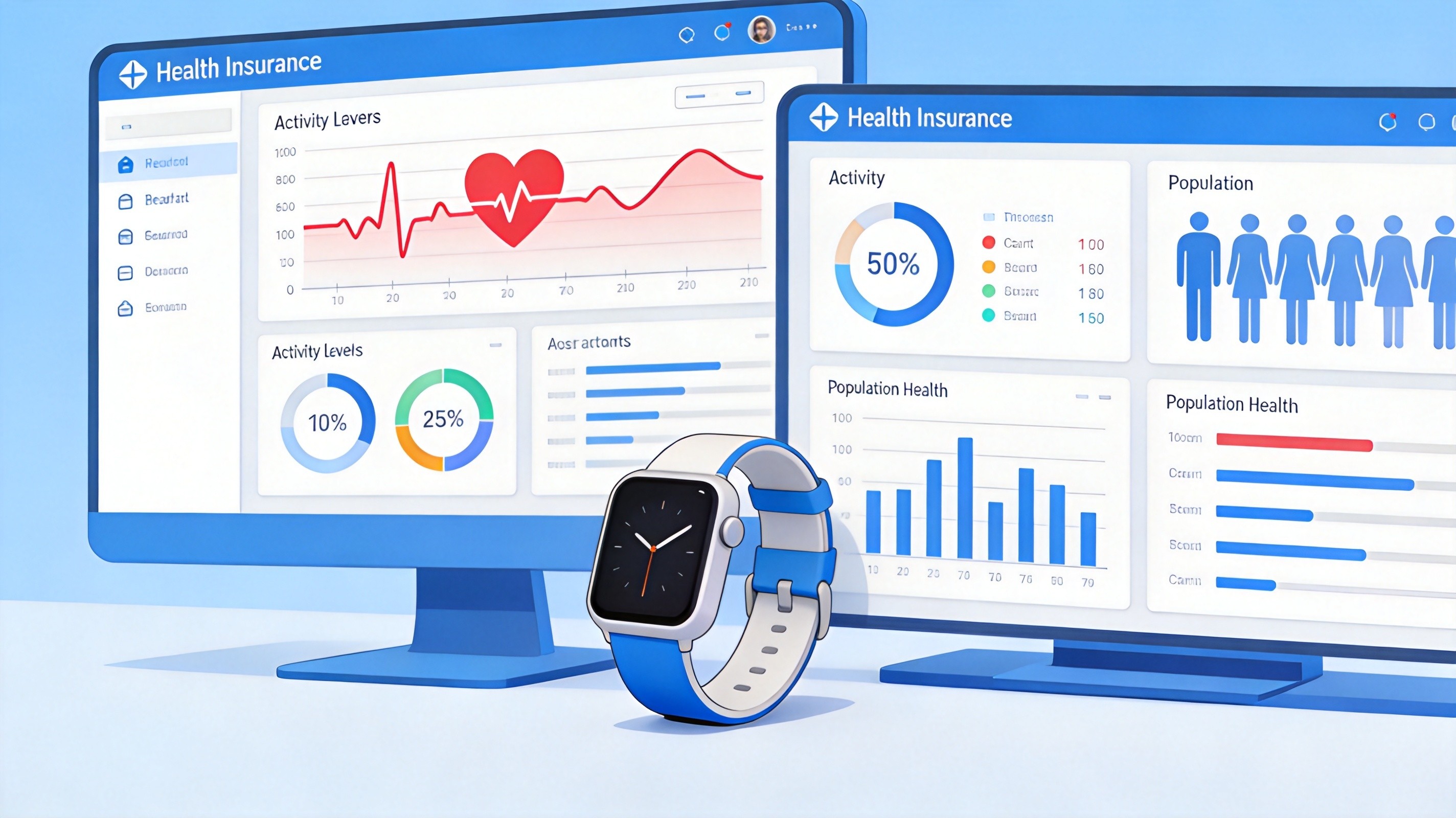
For B2B decision-makers, the wearable-insurance convergence is not purely a software problem. It is also a hardware procurement and device management challenge. Insurers deploying wearable programs at scale need:
- Device sourcing partnerships with manufacturers that can deliver medical-grade or near-medical-grade sensors at volume.
- Firmware and API integration that ensures data flows reliably from device to insurer platform without manual sync steps that kill engagement.
- Compliance architecture that handles GDPR, HIPAA, and China Personal Information Protection Law (PIPL) requirements — particularly around health data, which is classified as sensitive personal information in most jurisdictions.
- Device lifecycle management — from provisioning to battery replacement to decommissioning — especially for corporate wellness programs distributing thousands of units.
The US FDA early-2026 relaxation of regulatory requirements for low-risk wearable health devices opens the door for faster device iteration. But it also puts pressure on procurement teams to distinguish between “wellness-grade” devices (sufficient for engagement programs) and “medical-grade” devices (required for claims-adjudication use cases).
Regulatory and Compliance: The Fine Print That Matters
Insurance regulators in the EU, North America, and Asia-Pacific are watching the wearable-insurance convergence closely. Three areas demand attention from compliance teams:
- Data consent architecture. The GDPR and PIPL require explicit, granular consent for health data collection. Insurers cannot bury wearable data permissions in a 40-page policy document. Consent must be opt-in, revocable, and specific to each data category.
- Algorithmic underwriting fairness. If a carrier uses wearable data to adjust premiums, regulators will ask: does this discriminate against people with disabilities who cannot achieve certain step targets? The UK Financial Conduct Authority (FCA) has already signaled scrutiny on this front.
- Cross-border data flows. For multinational insurers, wearable data generated by a policyholder in Germany and processed on a cloud server in Singapore creates jurisdictional complexity. Data localization requirements in China, India, and other markets add operational friction.
The insurers that move fastest on compliance architecture will be the ones that can deploy wearable programs without regulatory retrofits down the line.
Key Metrics at a Glance
| Metric | Figure | Source |
|---|---|---|
| Global wearable device shipments (2025) | 5.8 billion units | IDC |
| Global wearable health device shipments (2025) | 2 billion+ units | Omdia |
| China smart wearable market size (2025) | 3,000 billion RMB | Industry reports |
| China wearable MAU (2025) | 159 million (+12.8% YoY) | Industry data |
| Vitality monthly member engagement rate | 53% | Vitality Group |
| Average claims cost reduction (Vitality) | 4% | Arbital Health (independent review) |
| Vitality global reach | 42 million people, 41 markets | Vitality Group |
| US employer health benefit spend (annual) | $1 trillion+ | Industry estimates |
| Global healthcare savings potential (wearable + EHR integration) | $200–350 billion/year | McKinsey Global Institute |
| Wearables with on-device AI (by end 2026) | 60%+ of consumer devices | Gartner |
| China commercial health insurance premiums (2025) | ~1 trillion RMB | Industry reports |
FAQ
1. Can wearable data actually reduce insurance claims costs?
Yes. The Vitality program, independently reviewed by actuaries at Arbital Health, demonstrates a 4% average claims cost reduction across all members — regardless of starting health risk. UnitedHealth Group reported 10–15% lower medical costs among members in wearable-linked wellness programs. The mechanism is straightforward: wearable data drives preventive behavior (more activity, better sleep, regular screenings), which catches health issues before they become high-cost claims events.
2. How do insurers handle privacy concerns with wearable health data?
Modern compliance frameworks require opt-in consent architecture, granular data permissions, and the ability for policyholders to revoke access at any time. GDPR (EU), HIPAA (US), and PIPL (China) all classify health data as sensitive personal information requiring heightened protection. Leading insurers are adopting on-device AI processing (where data stays on the wearable and only anonymized insights reach the insurer) and federated learning techniques to minimize raw data exposure.
3. What types of wearables are most useful for insurance programs?
The device category depends on the use case. For engagement and wellness programs, smartwatches and fitness bands (Apple Watch, Huawei Watch, Xiaomi Band) are sufficient. For chronic disease management, medical-grade devices — continuous glucose monitors, ECG-enabled wearables, blood pressure monitors — are required. For life insurance underwriting, devices that capture resting heart rate, HRV, sleep patterns, and activity consistency provide the most actuarial value.
4. Is this model viable for smaller insurers, or only for large carriers?
The Vitality model is a licensed platform, meaning mid-size carriers can deploy it without building proprietary behavioral science infrastructure. Additionally, white-label wearable program platforms are emerging from insurtech vendors, lowering the barrier to entry. The key investment is not the technology itself — it is the actuarial integration work to map wearable data signals to existing risk models.
5. What is the B2B opportunity for medical device manufacturers in this space?
Medical device manufacturers sit at the entry point of the wearable-insurance value chain. Insurers need reliable hardware partners who can supply devices at scale, provide API-level data access, and support compliance requirements (data encryption, consent management). The B2B opportunity spans device OEM supply, firmware customization, and ongoing device lifecycle management. As insurers deploy wearable programs to millions of policyholders, the procurement volume will reshape the B2B medical wearable supply chain.
Where the Market Is Heading
The wearable-insurance convergence is not a future scenario. It is a present-tense operating reality for carriers that have moved beyond pilot programs. John Hancock decade-long Vitality integration, UnitedHealth claims data, and the growing roster of global insurers licensing behavioral engagement platforms tell a consistent story: wearable data, properly structured, changes the actuarial math.
For B2B buyers — whether you are a corporate benefits manager evaluating group plan options, a TPA building a digital health offering, or an insurer assessing wearable data integration — the question is not whether wearable data will be part of insurance pricing and engagement models. The question is who captures the early-mover advantage in building the data pipelines, compliance frameworks, and device partnerships that make the model work at scale. For deeper analysis, see our detailed breakdown of regulatory frameworks and cost-benefit analysis in decentralized clinical trials to understand how these compliance frameworks and device partnerships are standardized in research.
At Xdun Medical, we supply the hardware layer that makes these programs possible. Our wearable health monitoring devices — from smart health watches to medical-grade biosensors — are designed for integration with insurer platforms, corporate wellness programs, and remote patient monitoring deployments. We support the regulatory certifications and data compliance frameworks that B2B insurance partners require.
Ready to explore wearable device procurement for your insurance or corporate wellness program? Contact our B2B team at jine@xdunmedical.com or call +86-13544254314 to discuss device specifications, API integration, and volume pricing.